The Mortgage Usually Becomes Due
The lender generally requires repayment following the death of the last borrower, subject to the contract and any applicable provisions.

Canadian Reverse Mortgage Tax Guide
Money you receive from a reverse mortgage is generally not taxable income. But that is only part of the picture if you are using home equity to support retirement.
Learn how reverse mortgage proceeds relate to OAS and GIS, when interest might be tax deductible, what happens if you sell or rent part of your home, and how the loan can affect your estate and family inheritance.
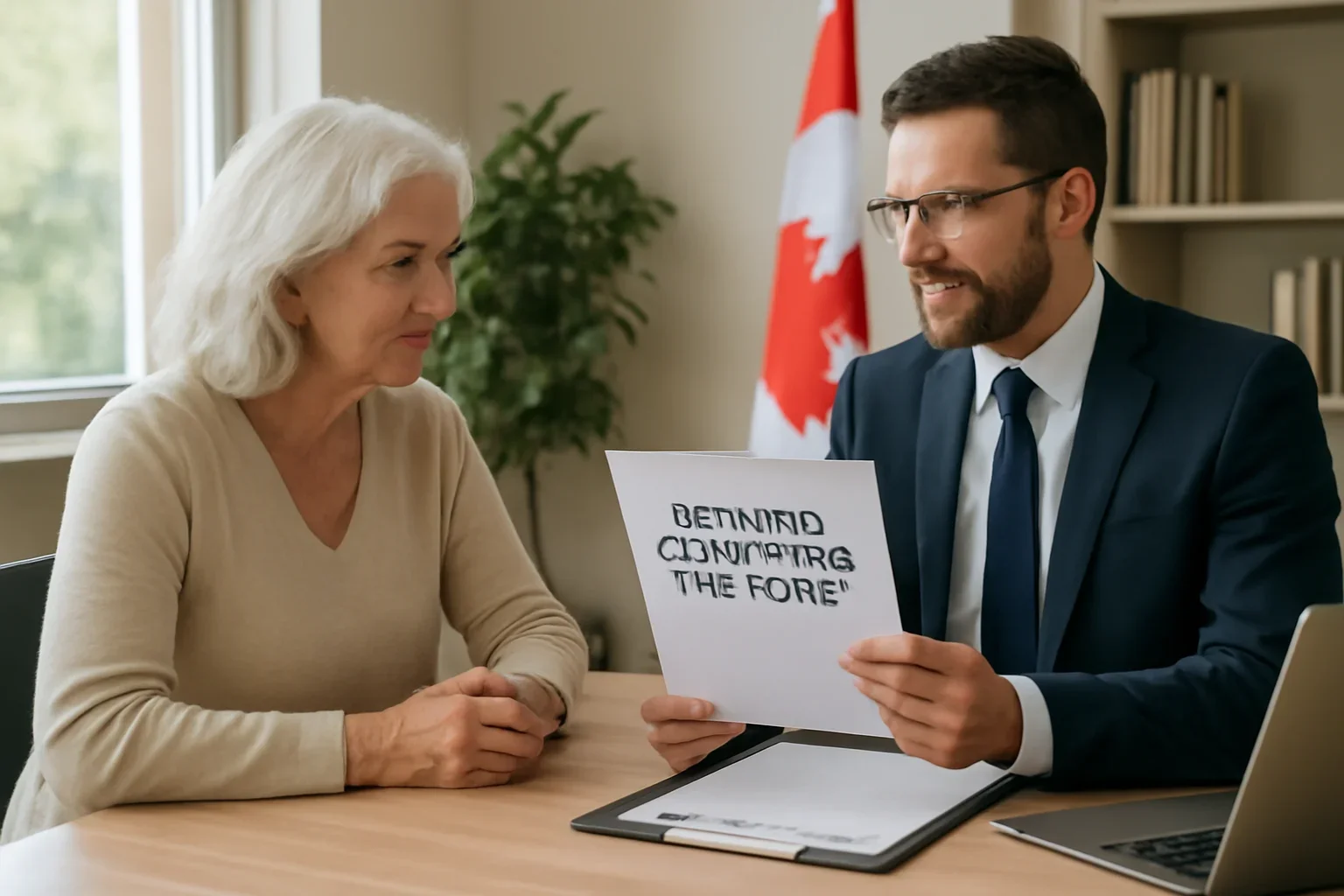

The Direct Answer
Generally, no. A reverse mortgage provides borrowed money secured against your home. Receiving those loan proceeds does not make them ordinary taxable income.
The bigger questions arise afterward: what you do with the funds, how interest accumulates, whether your home's use changes, and what happens when you sell, move or pass away.
If you invest the proceeds and earn taxable income, or later sell property with a taxable gain, separate income-tax rules may apply.
Five Tax and Financial Questions
The loan, federal benefits, interest expense, property sale and estate are related financially but are not the same tax issue. Review each separately.
A reverse mortgage advance is borrowed money and is generally not taxable income.
FCAC states that the proceeds do not affect Old Age Security or Guaranteed Income Supplement.
Eligibility depends on the use of the borrowed funds, the nature of the interest and the applicable tax requirements.
Principal-residence designation, ownership history and business or rental use matter.
Loan repayment and the estate's tax reporting responsibilities are separate obligations.
Retirement Income vs Borrowing
You are borrowing against part of the equity in a home you own. The borrowed amount is not earned as wages, investment returns or a pension payment.
FCAC says you do not pay tax on the money borrowed through a reverse mortgage.
The reverse mortgage proceeds themselves do not affect OAS benefits, although other taxable income can matter to OAS recovery-tax calculations.
Loan proceeds do not reduce GIS, but income generated if borrowed funds are invested can have separate benefits implications.
Reverse mortgages typically allow access to up to approximately 55% of the home's current appraised value, depending on age, property and lender.
Reverse mortgages are generally intended for homeowners aged 55 or older, subject to product requirements.
The property generally must remain the borrower's primary residence under the mortgage contract.
Interest and Tax Deductions
Not automatically. The fact that a loan is secured by your home does not determine whether the interest can be claimed on an income-tax return.
Borrowing for groceries, vacations, gifts or ordinary household expenses generally does not create deductible interest.
Renovations to a personal-use residence do not automatically qualify for a mortgage-interest deduction.
Interest may qualify in certain circumstances if borrowed funds are directly used to earn income from business or property and other legal conditions are met.
Maintain records showing exactly how borrowed money was used. Mixed personal and investment spending can complicate claims.
Interest commonly accumulates in a reverse mortgage. Rules governing compound interest and when an otherwise eligible expense is paid can affect deduction timing.
Before claiming a deduction, have an appropriately qualified Canadian tax professional assess the use of funds and CRA requirements.
The Home and the Loan Are Different
A reverse mortgage is a financing arrangement. Capital-gains treatment generally depends on the ownership and use of the property—not merely on whether a loan was registered against it.
Some or all of the gain on a qualifying principal residence may be exempt from tax under the applicable rules.
A disposition of a principal residence generally needs to be reported, with the required designation, even if the entire gain is exempt.
Renting all or part of the property can create change-of-use questions and may affect the exemption, subject to applicable exceptions.
Business activity in the home can require additional analysis, including whether structural changes or capital cost allowance were involved.
Principal-residence designations are subject to family-unit and ownership-year rules.
The existence of the reverse mortgage itself does not automatically disqualify an otherwise eligible property from principal-residence treatment.
Estate and Inheritance Planning
The lender's repayment rights and the estate's tax responsibilities are separate. Family members and estate representatives should understand both before choosing this financing.
The lender generally requires repayment following the death of the last borrower, subject to the contract and any applicable provisions.
Interest added over time increases the outstanding loan and reduces the remaining equity.
CRA generally treats capital property as disposed of immediately before death, subject to spousal rollovers and other exceptions.
An eligible principal-residence designation can reduce or eliminate the capital gain that would otherwise arise.
Paying off the reverse mortgage does not remove applicable estate, final-return or property-reporting obligations.
The mortgage repayment deadline may arrive before all estate matters can be settled. Review the contract and prepare for this possibility.
Avoid Common Misunderstandings
Using the same words for borrowing, income and property taxes can lead to the wrong conclusion. This comparison keeps those responsibilities separate.
| Situation | Loan or Financial Issue | Separate Tax Question |
|---|---|---|
| Receiving Funds | Borrowing against the home. | Loan proceeds are generally not taxable income. |
| Using Funds Personally | The loan continues to accumulate interest. | Personal-use borrowing generally does not qualify for an interest deduction. |
| Investing the Funds | The homeowner remains responsible for the reverse mortgage. | Investment income can be taxable, and interest deductions require separate analysis. |
| Selling the Home | Repay the outstanding reverse mortgage as required. | Consider property disposition reporting and principal-residence rules. |
| Death of the Borrower | Loan repayment is generally triggered when the last borrower dies. | Estate and final-return obligations may include a deemed disposition. |
| Passing Property to Family | The secured loan may reduce the net value available. | Ownership transfers and tax treatment depend on the actual facts. |
Compare Your Home Equity Options
A reverse mortgage is not the only way to access property equity. Compare repayment requirements, interest, fees and how long you intend to remain in the home.
Typically designed for older homeowners. Interest accumulates, and the loan becomes repayable when specified conditions occur.
May allow borrowing as needed, subject to credit limits and ongoing required payments.
May suit a known expense when the homeowner can manage regular principal and interest payments.
Requires an assessment of income, debts, property, new mortgage payments and refinancing costs.
Local Canadian Considerations
The federal income-tax principles apply across Canada, but property taxes, title registration, legal procedures, home valuation and provincial estate administration can differ by location.
For condominium owners, review strata obligations, property taxes and the lender's requirements for property maintenance and occupancy.
Acreage homes, secondary suites and rental use may require closer consideration of valuation, occupancy and principal-residence treatment.
Consider condominium expenses, ongoing property-tax obligations, ownership structure and estate-repayment planning.
Confirm applicable property expenses, title charges and the effect of accrued borrowing costs on future home equity.
Notarial, property-security and succession requirements should be reviewed with qualified Quebec professionals.
For older or rural properties, consider maintenance, insurability, local property costs and the lender's valuation requirements.
These are general local planning examples. Specific tax rules, lender availability and legal requirements should be confirmed for the property and province.
Prepare for an Informed Decision
Understanding the tax treatment is important, but so are the loan balance, ownership obligations, family considerations and long-term housing plans.

Professional Guidance
The tax, lending and estate questions are different. No single loan illustration can replace advice tailored to your ownership, finances and future plans.
Explain lender eligibility, funds available, interest, fees, repayment conditions and alternative borrowing structures.
Assess interest deductibility, potential investment income, rental use, principal-residence reporting and individual tax consequences.
Review the mortgage contract, title, independent legal advice requirements and applicable provincial legal considerations.
Consider wills, succession, beneficiaries, repayment timelines and the effect of reduced equity on inheritance plans.
Related MortgageSaver Guides
Frequently Asked Questions
Answers about loan proceeds, government retirement benefits, interest deductibility, the family home and estate responsibilities.
Generally, no. Reverse mortgage proceeds are borrowed funds secured against your home, not income earned from employment, a pension or investments. Other taxes may arise from separate transactions or uses of the funds.
FCAC states that money borrowed through a reverse mortgage does not affect Old Age Security. However, other taxable income, including income earned if you invest the borrowed funds, can have separate OAS implications.
FCAC states that reverse mortgage proceeds do not affect Guaranteed Income Supplement payments. Investment income or other income arising after the money is borrowed may need separate consideration under benefit-income rules.
Not automatically. Deductibility generally depends on how the borrowed money is used and whether all applicable CRA conditions are met. Interest on personal-use borrowing is generally not deductible.
Income earned from investments can be taxable, and it may affect income-tested benefits. Interest on borrowing used for eligible income-producing purposes may qualify for deduction under specific conditions, but the funds must be traceable and the rules satisfied.
No automatic deduction applies simply because interest accrues or is added to the loan balance. Special rules for compound interest and payment timing may apply even where the underlying borrowing has an eligible income-producing use.
Taking a reverse mortgage does not by itself disqualify a home from the exemption. Principal-residence treatment depends on applicable ownership, use, designation and tax rules.
Generally, yes. CRA requires reporting and the appropriate principal-residence designation when a qualifying principal residence is disposed of, even when the resulting gain is fully exempt.
Rental activity can affect the property tax analysis and may create a partial change of use. Certain exceptions can apply. It may also affect compliance with reverse mortgage occupancy requirements, so review both the tax rules and your loan agreement.
The loan generally becomes repayable when the last borrower dies, according to the mortgage agreement. The estate may need to sell, refinance or use other funds to repay the balance within the allowed time.
The outstanding loan balance is not itself the same thing as taxable income. The estate may separately face property disposition, capital gains or other tax reporting requirements. Repaying the debt does not replace those obligations.
Yes. Accumulated interest increases the outstanding balance, and the mortgage must eventually be repaid. This can reduce the net equity remaining for the estate or beneficiaries.
Yes. Independent legal advice helps you understand loan conditions, ownership responsibilities, repayment triggers and the effect on your estate. A qualified tax professional should separately review any tax questions specific to your circumstances.
Make an Informed Retirement Financing Decision
A reverse mortgage can offer access to home equity without regularly scheduled mortgage payments, but it also creates growing secured debt and future repayment obligations.
Review the available financing options and obtain appropriate independent legal and tax advice before deciding.
Learn more about reverse mortgages, compare alternatives or review the online application resources.
Educational information only. This guide explains general Canadian reverse-mortgage, tax and estate considerations. It is not individualized tax, legal, estate or mortgage advice and does not guarantee a loan, borrowing limit, deduction, exemption or benefit entitlement. Tax legislation, benefit rules, mortgage terms and provincial requirements may change. Confirm applicable requirements with the CRA, lender and qualified legal or tax professionals before making financial decisions.